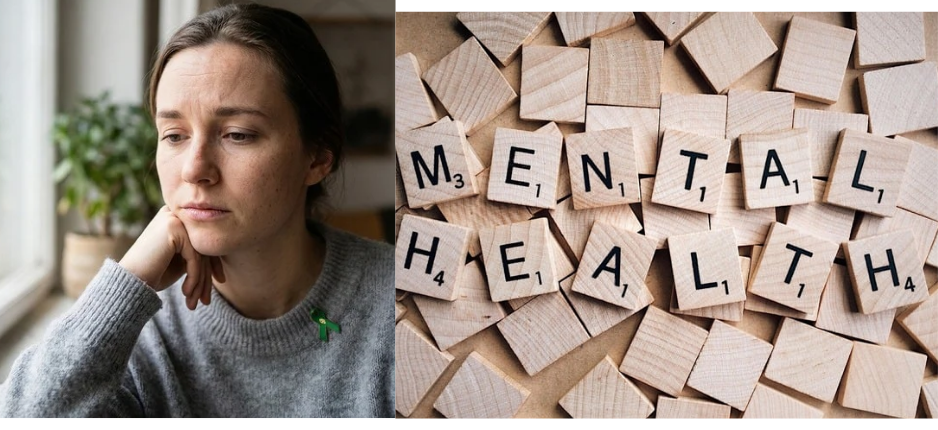
World Teen Mental Health Day 2026: Empowering Teens to Speak, Heal and Thrive
Every year, World Teen Mental Health Day reminds us of a simple but urgent truth: our teenagers are growing up in one of the most complex emotional landscapes in history.
This is not something to joke with, because for many teenagers around the world, mental health struggles are not temporary moods — they are heavy, life-altering burdens.
Some young people are wrestling with thoughts and decisions that make them question their very existence. Beneath their silence are painful questions like:
“Do I matter?”
“Would anyone notice if I disappeared?”
“Why do I feel so different from everyone else?”
“Is there something wrong with me?”
These are not casual thoughts. They are deep, identity-shaping questions that can influence how a teenager sees their worth, their future, and their place in the world.
Adolescence is a stage of identity formation. Teenagers are trying to understand who they are, what they believe, where they belong, and what their future holds.
When emotional support is lacking, when pressure becomes overwhelming, or when comparison overshadows confidence, these questions grow louder.
What may look like stubbornness, withdrawal, or moodiness on the outside may actually be confusion, fear, or silent despair on the inside.
Many teenagers are searching — searching for validation, for belonging, for reassurance that their struggles are normal and that their feelings are valid.
They are seeking answers about body image, academic expectations, friendships, rejection, family conflict, purpose, faith, career direction, and self-worth. In a world that constantly tells them who they should be, they are trying to figure out who they truly are.
Unfortunately, when those questions go unanswered, teenagers may begin to create their own conclusions — and those conclusions are often harsh and self-critical.
A teen who repeatedly feels ignored may conclude, “I’m not important.” A teen who experiences failure may conclude, “I’m a disappointment.” A teen who faces bullying may conclude, “I don’t deserve to be here.”
This is why dismissing their struggles as “just a phase” can be dangerous. What seems small to an adult may feel overwhelming to a teenager whose emotional regulation skills are still developing.
Their experiences are real to them. Their pain is real to them. Their questions are real.
More than ever, teenagers need safe spaces where their questions can be voiced without judgment. They need adults who will sit with them in uncertainty instead of silencing their doubts.
They need reassurance that questioning life does not make them weak — it makes them human. They need guidance, empathy, and patient listening.
When we take teen mental health seriously, we are not encouraging fragility — we are preventing hopelessness. We are helping young people replace destructive conclusions with healthier truths:
- You matter.
- You are not alone.
- Your feelings are valid.
- Your life has value.
This is why World Teen Mental Health Day — and conversations like this — are essential. Because sometimes, the difference between despair and hope is simply being heard.
Behind the laughter, selfies, school uniforms, and social media posts, many teenagers are quietly battling anxiety, depression, identity struggles, and overwhelming pressure.
Some do not have the words to describe what they feel. Others fear they will not be understood if they speak.
World Teen Mental Health Day 2026 is not just about awareness. It is about action. It is about creating safe spaces where teenagers can speak, heal, and thrive without shame.
Because a generation that feels heard becomes a generation that leads with strength.
Understanding Teen Mental Health: More Than Mood Swings
Teen mental health refers to the emotional, psychological, and social well-being of adolescents. It affects how they think, feel, behave, relate to others, and make decisions.
Adolescence is a critical developmental stage. Teenagers are forming identity, discovering purpose, navigating relationships, and facing academic expectations — all at once.
Their brains are still developing, especially areas responsible for impulse control and emotional regulation.
It is normal for teenagers to experience mood changes. However, persistent sadness, intense anxiety, withdrawal, or hopelessness may signal deeper mental health concerns.
Mental health is not a luxury. It is foundational to:
- Academic performance
- Healthy relationships
- Self-esteem
- Decision-making
- Future success
When we ignore teen mental health awareness, we risk undermining the very foundation of their future.
Why Teen Mental Health Awareness Matters Now More Than Ever
Today’s teenagers are the first true digital generation. They are growing up in a world of constant connectivity, academic competition, global crises, and social comparison.
Unlike previous generations, today’s teens:
- Face 24/7 social media exposure
- Experience online comparison culture
- Deal with cyberbullying
- Consume overwhelming amounts of information daily
The digital age has created both opportunity and emotional vulnerability.
Studies consistently show rising rates of teenage depression and anxiety globally. But statistics only tell part of the story. Behind every number is a young person struggling silently.
World Teen Mental Health Day 2026 is a wake-up call. We cannot normalize stress, anxiety, and burnout as “just part of growing up.”
Common Mental Health Challenges Facing Teenagers Today
- Anxiety Disorders
Academic pressure, fear of failure, and performance expectations often trigger anxiety in teenagers.
Questions like:
“What if I fail?”
“What if I disappoint my parents?”
“What if I’m not good enough?”
These thoughts can become constant mental noise.
Anxiety may appear as:
- Restlessness
- Panic attacks
- Difficulty concentrating
- Excessive worrying
Without support, anxiety can interfere with daily functioning.
- Teenage Depression
Teenage depression goes beyond sadness. It can include:
- Persistent low mood
- Loss of interest in activities
- Social withdrawal
- Feelings of worthlessness
- Changes in sleep or appetite
Unfortunately, many teens hide depression behind forced smiles.
When adults dismiss statements like “I’m tired of everything” as drama, we risk overlooking real distress.
- Social Media and Teen Mental Health
Social media is a powerful tool — but it can also be harmful.
The Harmful Side:
- Unrealistic beauty standards
- Highlight-reel comparisons
- Fear of missing out (FOMO)
- Validation addiction
- Cyberbullying
Teenagers often compare their real lives to edited online versions of others. Over time, this comparison erodes self-esteem.
Information overload also contributes to cognitive stress. Constant notifications and digital noise reduce mental rest, increasing emotional fatigue.
The Positive Side:
- Access to mental health education
- Online support communities
- Awareness campaigns
- Creative self-expression
The goal is not to eliminate digital engagement — but to build digital resilience.
- Academic and Career Pressure
In many societies, academic performance is tied to identity and worth. Teens may feel that their future depends entirely on grades.
This pressure can lead to:
- Burnout
- Sleep deprivation
- Fear-driven studying
- Perfectionism
A child’s value should never be reduced to academic results.
- Family and Societal Expectations
Some teenagers grow up in environments where emotional expression is discouraged.
Statements like:
“You’re too young to be stressed.”
“Pray about it and move on.”
“Others have it worse.”
While often well-intentioned, these responses can invalidate real feelings.
Silence does not build strength. It builds isolation.
The Silent Signs Adults Often Miss
Many teenagers do not openly say, “I’m struggling.”
Instead, distress shows up in subtle ways:
- Sudden drop in academic performance
- Irritability or anger
- Withdrawal from friends
- Excessive time alone
- Changes in eating habits
- Risky behavior
The question is not whether teens are struggling. The question is whether we are paying attention.
World Teen Mental Health Day encourages parents, teachers, and guardians to listen beyond words.
Breaking the Stigma Around Teen Mental Health
Stigma remains one of the biggest barriers to help-seeking.
In many communities, mental health conversations are avoided. Teens fear being labeled “weak,” “dramatic,” or “attention-seeking.”
This silence is dangerous.
When stigma prevents teenagers from speaking, problems intensify. Untreated mental health issues can affect adulthood, relationships, and long-term well-being.
We must normalize therapy.
We must normalize emotional conversations.
We must normalize saying, “I need help.”
Mental health is health.
What Parents Can Do to Support Teen Mental Health
Parents and guardians play a powerful role in supporting teenagers.
Here are practical steps:
- Listen Without Interrupting
Allow teens to express feelings without rushing to fix them.
- Avoid Dismissive Language
Replace “You’re overreacting” with “Help me understand how you feel.”
- Create Safe Conversations
Have regular check-ins without judgment.
- Model Emotional Intelligence
Show healthy coping strategies.
- Seek Professional Help When Necessary
Therapy is not failure — it is proactive care.
Small shifts in communication can create profound change.
What Schools Should Be Doing
Schools are more than academic institutions. They are emotional ecosystems.
To promote teen mental health awareness, schools should:
- Provide access to trained counselors
- Implement anti-bullying policies
- Integrate mental health education into curriculum
- Train teachers to recognize warning signs
- Create peer-support programs
When schools prioritize mental health, academic performance improves naturally.
What Teens Can Do for Themselves
While adults play a role, empowerment is also essential.
Teenagers can:
- Set healthy boundaries online
- Limit screen time
- Journal thoughts and emotions
- Build supportive friendships
- Seek trusted adults
- Practice mindfulness
- Engage in physical activity
- Self-care is not selfish. It is survival.
From Awareness to Action: A Collective Responsibility
World Teen Mental Health Day 2026 must move beyond hashtags. It must become:
- Honest conversations at dinner tables
- Policy reforms in schools
- Safe spaces in communities
- Support groups in churches and youth centers
- Accessible mental health services
Check in on a teenager today.
Ask deeper questions.
Listen fully. One conversation can change a life.
Raising a Resilient Generation
Imagine a generation of teenagers who:
- Speak openly about emotions
- Seek help without shame
- Support one another
- Understand digital boundaries
- Value mental well-being
That generation would grow into emotionally intelligent adults — leaders who prioritize empathy over ego.
This World Teen Mental Health Day, let us choose compassion over criticism.
Let us choose listening over lecturing.
Let us choose action over silence.
Because strong minds build strong futures.
And every teenager deserves the chance to thrive